Publication select ▼

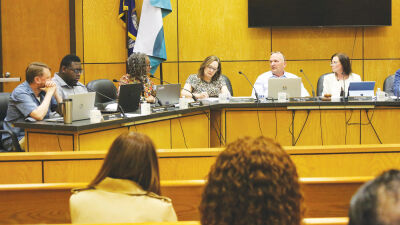
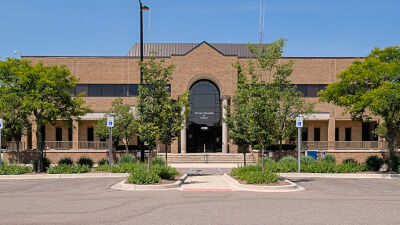
MOUNT CLEMENS — Reactions from residents over parking and sewage flooding set the tone for the July 7 Mount Clemens City Commission meeting.
As part of the nearly hourlong meeting’s agenda, a considerable amount of time was spent discussing the second reading of an ordinance establishing parking zones. Passed as part of the consent agenda, the ordinance allows the city to a designate “restricted
residential parking permit zone(s)” via resolution with the intention of “(reducing) and (alleviating) parking congestion and hazardous conditions resulting from the use of streets within residential areas for the parking of vehicles by non-residents.”
The ordinance is in response to United States Postal Service workers parking in the neighborhoods southeast of the Mount Clemens’ post office, located between northbound Gratiot Avenue and South Main Street.
“The city manager, the mayor, other members of this commission have worked really hard with the post office (and) with the federal government to get them — as soon as last week — to get them to put a stop to employee parking,” City Commissioner Spencer Calhoun said. “It’s been found that they cannot do anything — they won’t do anything. So, if they’re not willing to respect what residents want, they’ll have to respect the laws that we put in place.”
Ruthie Stevenson, a resident of the affected neighborhood and a frequent commenter about this matter, took issue with the second reading being handled via consent agenda and believed the ordinance would turn residential streets into parking lots. Commissioners disagreed, stating that parking permits would be provided for free to residents in designated zones.
“Sometimes the results of how we work (resident complaints) out may seem strange. It is not always the most efficient way to do it, but practically speaking what it will mean is only residents will functionally be able to park there — and their guests,” City Commissioner Erik Rick said.
City ordinances require being passed with two readings before becoming law. The parking zone ordinance had its first reading on June 2.
Sewage flooding
At least four Lafayette Street residents spoke during the meeting’s first public comment period about how neighborhood basements became flooded with sewage during a recent rainstorm. Residents attested that this issue was recurring as multiple storms have caused sewage to enter their homes, with costs mounting and even potential insurance coverage issues.
“I spent the very last weekend of my maternity leave two years ago cleaning up sewer floods,” resident Shelby Holderbaum said. “I cannot accept the rainwater that we got as an act of God after seven floods. It is insulting to be told that we have a rain barrel program. It is insulting to be told to file an insurance claim because if I file any more claims, guess what? No coverage. It is quite literally running my entire life (having it) turned upside down every single time we have water in our basement.”
Commissioners shared their sympathies with the residents but did not provide any immediate relief. Mount Clemens Mayor Laura Kropp told residents that the city was attempting to fix what it could, given its budget and what it could receive grants for.
“If we could wave a magic wand and make (the flooding) better immediately, we would. And that is not an excuse,” Kropp said. “The infrastructure of this city has been something that is (an issue.) We are an old, old city and if we were to replace every road, we know it would cost over $80 million. If we replaced every pipe in the ground that we know needs to be replaced (it would cost) $200 million. Our annual general fund budget is $14 million.”
Along with seeking grant funds to cover infrastructure projects, the city uses a strategic plan as its general roadmap going forward. The 2024-2025 plan’s capital improvement section calls for educating residents about the difficulties the city faces in funding. It also calls for oversight of a “feasible, actionable and sustainable funding strategy for the City’s (capital improvement) needs,” to be incorporated into the budget.
Hubbard Street resurfacing
Commissioners approved a contract with the Michigan Department of Transportation for the pavement resurfacing of Hubbard Street between North Avenue and Eldredge Street. The project is expected to cost just shy of $500,000, but the city will only need to pay about $92,000, with federal funds covering 81.85% of the project.
Precinct renumbering
Commissioners approved the renumbering of voting precinct No. 9 to voting precinct No. 5. This change gives the city a sequential number of its six precincts.
No other precinct details were changed.
You May Also Be Interested In