Publication select ▼
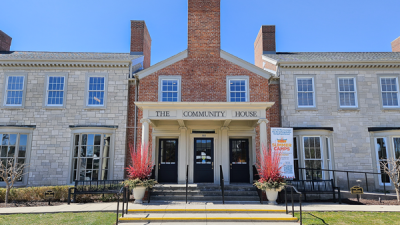
Birmingham has been working on a historic preservation master plan.
Photo by Patricia O’Blenes

BIRMINGHAM — When the city of Birmingham sent out a survey in 2024 that asked residents if they believe historic preservation is a worthwhile goal, 94% of the 201 respondents said “yes.”
This public response echoes the ongoing efforts of Birmingham Planning Director Nicholas Dupuis and the Historic District Commission, Dupuis said. Though the city has been working on historic preservation since the 1970s, there has never been a historic preservation master plan.
In hopes of building a strong culture of historic preservation in Birmingham, the city has been working on a historic preservation master plan. The survey they sent out in 2024 was intended to seek public feedback from residents.
“That survey really helped us. Frankly, it kind of told us what we already felt, but we felt it really valuable that we confirmed it with our community,” Dupuis said.
Historic District Commission member Dustin Kolo said it’s an important moment for Birmingham. “So many of our resources are going to become historic over the next decade or two decades,” he said.
Kolo said the city wants to give residents the opportunity to designate their house as a historical resource and “make sure that we’re capturing those resources that are commercial in the downtown districts that are becoming historic, so we can make sure that they’re preserved and protected.”
Approaches to historic preservation
There are regulatory and non-regulatory approaches to historic preservation. Regulatory approaches are “managed through laws and ordinance, and the application of strict guidelines,” while non-regulatory approaches rely on “voluntary action, incentives, and education,” according to the draft plan.
According to the survey, almost 70% of respondents wanted a combination of both regulatory and non-regulatory approaches, which Dupuis said is “right on, in terms of what we feel a good historic preservation program should be.”
The draft historic preservation master plan
In the draft, there are three goals stated for the plan: “Get Back to the Basics,” “Embrace Proactivity” and “Inform and Engage.”
For each goal, there is a list of actions that include projects that will help the city achieve each goal. However, the draft plan notes that it is “aspirational,” and timelines may “ebb and flow.”
Some examples of actions in the draft include, “adopt a demolition delay ordinance,” “produce updated historic plaques for all designated historic buildings in the Central Business Historic District” and “increase and regularize enforcement of maintenance requirements to ensure that historic materials are not lost to neglect.”
This topic was an agenda item at the City Commission meeting Jan. 12, after press time. For updates on the approval of the master plan, visit bhamgov.or, where the agenda, meeting packet and videos of City Commission meetings are available.
You May Also Be Interested In