Publication select ▼

METRO DETROIT — Older homes have unique architectural details and character that modern homes can never fully replicate, but as anyone who’s ever owned one can attest, with that age comes the need for more repairs and renovations.
And while some projects can be done by the homeowner, many require a skilled professional. That’s why it’s so critical to hire the right contractor.
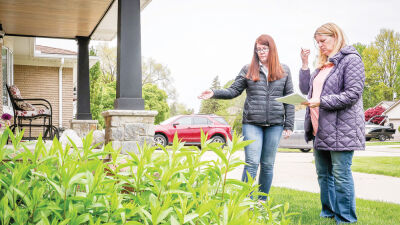
It’s something Rebecca Torsell, director of historic preservation for the Edsel and Eleanor Ford House in Grosse Pointe Shores, knows well. On Oct. 2, Torsell gave the talk, “Caring for Your Historic Home: A Guide to Hiring Right” at the Ford House.
One of the most important things a homeowner can do is hire a contractor who specializes in working on older homes. Look at the kinds of projects they’ve done and check their website for words like “historic” or “preservation,” Torsell said.
“Modern buildings and historic buildings are very different from each other,” Torsell said.
A contractor should know the material needs of older homes, such as using copper nails on slate roofs. For anything built before 1950, Torsell said masons should be using Type O or lime mortars, not Type N or Quikrete.
Referrals are one of the best ways to find a contractor, as is asking a contractor you know and trust who they use for a particular type of work. Another resource is the Michigan Historic Preservation Network directory, which lists a wide array of contractors from across the state. Torsell said homeowners still need to do their homework, as contractors pay for these listings, but it’s a good place to start. Visit mhpn.org and under the Resources tab, click on the MHPN Resource Directory.
Torsell said maintenance is “the first line of defense.” For example, trimming trees so they’re not touching the roof helps to keep bugs out and painting wood protects it from rotting.
Homeowners should look for contractors who’ve worked on similar projects, are insured, licensed and possibly bonded, and have the proper equipment to tackle the job, Torsell said.
Define the scope of the project and what your goals are, Torsell said. Then, determine what kind of contractor you need for that type of work and learn as much as you can about how that work should be done.
The National Park Service has dozens of articles — called “Preservation Briefs” — on its website that provide insight into historical building work topics, including roofing and masonry. Visit nps.gov/orgs/1739/preservation-briefs.htm to read them.
Torsell advises discussing the payment schedule up front and never giving a contractor a deposit of more than 50%.
She said it’s a red flag if a contractor wants a homeowner to sign an agreement or put down a deposit immediately.
“Individuals should watch for high-pressure sales tactics, upfront fees, and businesses that do not have references to vouch for their work,” said Nakia Mills, vice president of digital and brand marketing for the Better Business Bureau of Michigan, via email.
Besides checking the BBB directory online to see if the business has been rated or reviewed, the BBB tells homeowners to search the company’s name along with words such as “scam,” “review” or “complaint,” to see what comes up.
“Ask about training, certifications, and background checks for the company employees or subcontractors,” the BBB stated in a press release. “Additionally, inquire about what kind of identification they’ll show when they arrive at your home.”
Get multiple bids — at least three, if possible.
“Remember, the lowest bid for your remodeling project may not necessarily be the best bid; if one offer is significantly lower than the others, the contractor may be cutting corners or may not understand your work requirements,” the BBB stated. “Alternately, higher bids might include an emergency budget or even different tiers of service. Carefully consider the ‘why’ behind these bids before making a final decision.”
Good contractors, said Torsell, take the time to explain their work thoroughly, communicate with and respond to customers, are passionate about what they do, clean up after themselves and often have generational experience after learning the craft from a relative.
With the exception of plumbers, Torsell said contractors shouldn’t charge a fee for a site visit.
The BBB said homeowners should get everything in writing, including estimates.
Regardless of the project, Torsell said homeowners should set aside a contingency of at least 10% to 15%.
“In preservation, you should always expect the unexpected,” she said.
Bill Sikora, of Sterling Heights, an attendee at Torsell’s lecture, knows this personally, having been involved in restoration projects at the homes of two family members. He recommended having an even larger contingency than 15%.
“There’s always going to be someone uncovering something,” Sikora said of projects involving older homes.
For more information, send an email to info@fordhouse.org or visit BBB.org/con tractors.
You May Also Be Interested In