Publication select ▼
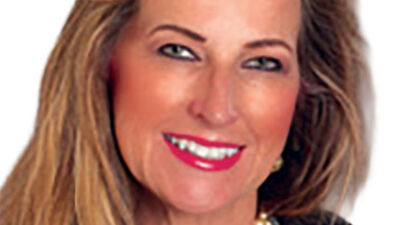
Dr. Diane Buffalin
Photo provided
FARMINGTON HILLS — Finding the right antidepressant often involves trial and error. Imagine having the ability to determine what works best before ever taking the first dose. Thanks to a groundbreaking, genetic saliva swab test called GeneSight, patients at Dr. Diane Buffalin’s office are benefiting from a scientific approach to mental health.
Developed by Mayo Clinic and originally funded by the Canadian government, GeneSight analyzes the genes that influence how an individual metabolizes medications and provides insights into which antidepressants may work best. It also reveals deficiencies in specific vitamins, such as methyl folate, which plays a crucial role in how the body processes Vitamin B. “This test has transformed how we approach mental health treatment,” Dr. Diane said. “It takes the guesswork out of finding the right medication and gives patients a science-backed pathway to feeling better.” The test is now covered by many insurance plans, including Blue Cross, Aetna, Tricare (for military members), Medicare—and some Medicaid plans—making it more accessible to those who need it.
A major study presented at the 2018 American Psychiatric Association Annual Meeting demonstrated that patients with major depressive disorder (MDD) who used the GeneSight test to guide medication choices were 30% more likely to respond to treatment and 50% more likely to achieve remission compared to those who did not use the test.
Dr. Diane, a West Bloomfield native with more than 30 years of experience as a Ph.D. psychologist, first learned about the test in 2016 from a local psychiatrist. She quickly became an advocate after seeing firsthand how it helped patients find more effective treatments. “I’ve always wished for a way to pinpoint why one medication works for one person but not another,” she said. “With GeneSight, we finally have a scientific answer.”
The test categorizes results into three columns: green for suitable options, yellow for caution, and red for medications most likely to cause side effects. Dr. Diane keeps a record of patient outcomes and found that 118 of her first 120 patients improved after switching to medications in the green column. “It’s not just about guessing anymore,” she explained. “It’s based on evidence.”
While Dr. Diane cannot prescribe medication herself, she often collaborates with physicians and psychiatrists to interpret the test results. “I’m not a geneticist, but I can explain the test results,” she said, adding that she believes the test empowers patients to understand their own biology and take control of their mental health. “It’s truly life-changing for people who have struggled for years to find effective treatments.”
In addition to her work with patients, Dr. Diane is known for her engaging presentations on cognitive therapy and stress management. A skilled public speaker, she shares techniques to manage stress, improve relationships and achieve greater life satisfaction. Her presentations—ranging from gender communication to building positive relationships—have received rave reviews in both academic and corporate settings, as well as on upscale cruise lines. “I sell control,” Dr. Diane said. “As a cognitive therapist, I always say life doesn’t have to be as difficult as it seems—you can’t always control what happens, but you can control what you think. By understanding the science behind our mental health, we can create practical solutions to feel better.”
Dr. Diane Buffalin Stress Management is located at 31811 Middlebelt Rd., Suite 203, in Farmington Hills. For more information, call (248) 559-3359 or email DrDianeB44@AOL.com.